What Does "CBD is an Exception" Actually Mean in Practice?
In recent years, cannabidiol (CBD) has emerged from the shadow of cannabis to capture widespread interest—not only among recreational users but also within professional sports communities. Formula1News.co.uk and other specialised outlets have increasingly reported on CBD’s legal and regulatory status, especially concerning its place in the World Anti-Doping Agency (WADA) rulebook. But when someone says " CBD is an exception", what does that mean in practice? How does it relate to the larger context of cannabinoids banned in sport, chemical distinction between compounds, and the nuances around product composition, formulation, and administration?
Understanding the WADA Context and the "CBD Exception"
WADA publishes its Prohibited List annually in a comprehensive PDF document that spells out substances banned in competition and out-of-competition. A clear takeaway is that while cannabis and its psychoactive constituents remain prohibited, CBD—as extracted and defined—is explicitly not banned.
This exception is based on a chemical distinction. CBD (cannabidiol) is a non-psychoactive cannabinoid, different from tetrahydrocannabinol (THC), the compound responsible for cannabis’s intoxicating effects. The WADA document clarifies that:
- All cannabinoids except CBD are prohibited.
- THC and synthetic cannabinoids remain banned both in and out of competition.
- CBD extracted and purified can be used without breaching anti-doping rules.
This precision is vital, as “CBD” on packaging or in marketing often becomes a loose catch-all, sometimes overshadowing variability in chemical composition.
Precision Over Marketing: Why Labels Can Be Misleading
One challenge athletes face is navigating the vast array of CBD products on the market, many of which rely more on marketing buzzwords than clarity about their makeup. At Releaf, specialists provide a detailed review within a prescription context, noting how many so-called “CBD” products can actually contain trace amounts of prohibited cannabinoids, especially THC.
Labels often omit exact concentrations or use vague terms like “hemp-derived” or simply “cannabinoid blend,” which hardly guarantee compliance with WADA. Even “full-spectrum CBD” products typically contain multiple cannabinoids, including psychoactive ones, which can trigger positive doping tests despite claims of legality.
Why Chemical Analysis is Crucial
Given this, athletes and support staff must insist on batch-specific lab tests that confirm:
- CBD concentration percentage.
- THC levels below the WADA detection threshold.
- Absence of synthetic cannabinoids or other banned substances.
Without this, the notion of a “CBD exception” risks being a marketing myth rather than a reliable sporting fact.
Sativa vs. Indica: The Limitations of Strain Labels in Sport
Common distinctions drawn in recreational cannabis use—between “sativa” and “indica” strains—do not translate effectively to precise anti-doping considerations. These labels originated from classifications of cannabis plants but do not reliably indicate chemical content or effect profiles. Marketing often associates sativa with uplifting effects and indica with relaxation, but such characterisations lack robust scientific grounding.
More importantly for athletes, the botanical strain is irrelevant compared to the precise cannabinoid and terpene concentrations found in a product. This means that focusing on “sativa vs indica” is a distraction when determining whether a product is compliant under WADA rules.
Formulation and Route of Administration: Why It Matters
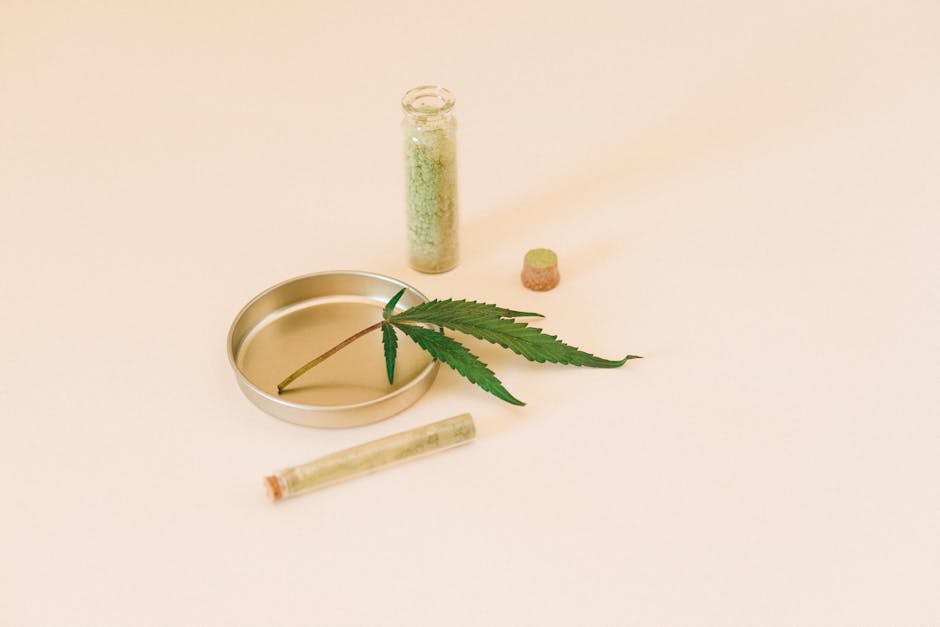
How CBD is delivered influences its bioavailability, metabolism, and ultimately detectability in doping controls.
- Topical formulations: Creams and balms may have low systemic absorption, reducing risk of detectable metabolites.
- Oral ingestion: Gummies, oils, and capsules can lead to higher plasma levels and longer detection windows.
- Vaping and inhalation: Pose risks of variable dosing plus co-exposure to other cannabinoids in cannabis products.
Each route also affects the onset and duration of CBD presence in blood and urine samples, which matters because testing thresholds and detection windows are strict. Athletes must work with healthcare professionals familiar with these pharmacokinetics to manage risks effectively.
What Changed, Exactly?
Historically, cannabinoids were broadly banned under WADA’s rules, complicating athletes’ use of formula1news.co.uk products from the cannabis plant. The recognition of CBD’s distinct chemical and pharmacological profile led to a formal “exception” in the Prohibited List—as of the 2018 update. This nuanced approach balances athlete safety and fairness with acknowledgement of evolving cannabis science.
However, the regulatory and commercial landscapes continue to change rapidly, driving a continuing need for precision and vigilance.
Key Takeaways for Athletes and Support Staff
- Identify chemical distinction: Only pure CBD—not other cannabinoids—is permitted.
- Verify formulation: Confirm product composition via independent lab testing.
- Ignore strain marketing: Sativa vs indica labels offer no clear compliance guidance.
- Consider administration route: Tailor use to minimise detection risks and side effects.
- Monitor rule updates: Check the latest WADA PDFs for changes before competition.
Conclusion
The phrase “CBD is an exception” condenses a complex regulatory and scientific reality into a simple selling point too often misunderstood or misapplied. As highlighted by expert communications from Formula1News.co.uk and the clinical reviews at Releaf, precision over marketing claims, focus on chemical composition rather than labels, and attention to formulation and administration routes are vital.
Ultimately, athletes who appreciate what the CBD exception truly means—in the strictest biochemical and legal sense—are best placed to use these compounds safely and effectively within their sporting careers.