How to Write a Volleyball Match Recap Like VolleyCountry
If you want to capture the essence of a thrilling volleyball match the way the pros at VolleyCountry do, you’ve come to the right place. Whether it’s a five-set European final filled with momentum swings or a tight duel between star scorers, a clear, detailed recap lets fans relive every critical moment. In this guide, we break down the key elements that make a volleyball match recap shine, referencing tools like mrq.com for excitement and the prestigious CEV events for context.
Lead With the Result—Don’t Beat Around the Bush
Always start your recap by stating the final score of the match, including the full five-set line if applicable. For example:
“In a heart-stopping five-set thriller at the CEV Champions League Final in Istanbul, Team A edged Team B 3-2 (25-22, 21-25, 22-25, 25-18, 15-12) in front of a roaring home crowd.”
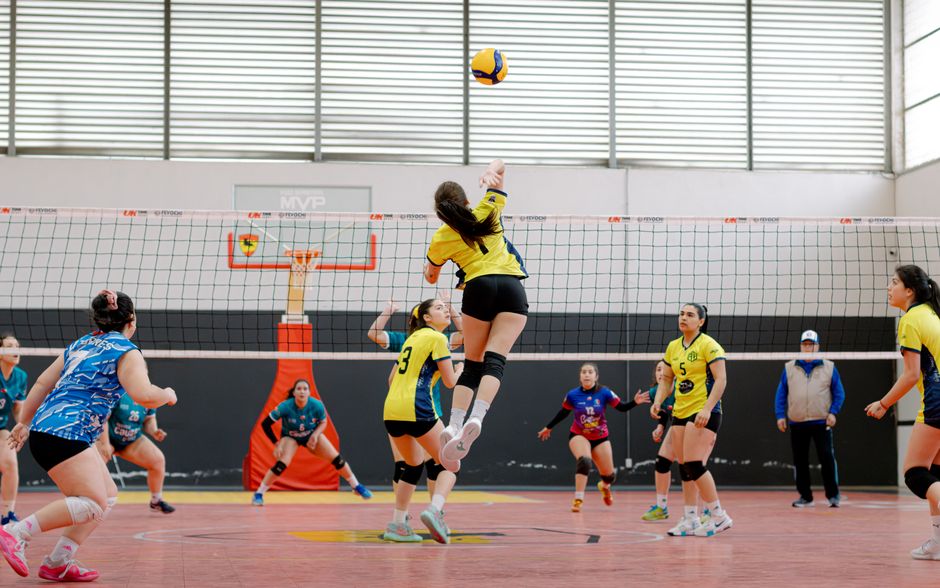
Notice set 5 15-10 tiebreak how this lead gives readers a full sense of the match right away. It sets the stage for deeper analysis without ambiguity. Don’t just say “the home side won in five sets” — always show the set scores for clarity and impact.
Follow a Clear Set-by-Set Structure
VolleyCountry’s hallmark is breaking the recap down as the match unfolded, set by set. This approach highlights momentum swings and critical runs. Here’s a recommended format:
- First set summary: Who started strong? How close was the score? Mention any key runs, e.g., “an 8-4 run at the switch.”
- Second and third sets: Describe shifting momentum, how the other team bounced back or closed gaps. Include technical or tactical shifts if relevant.
- Fourth set: Focus on the comeback or dominance that forced a fifth set, including crowd impact.
- Deciding fifth set: Highlight nerve-wracking rallies, clutch plays, and how the winner prevailed.
Here’s a set-by-set example based on a fictional Istanbul final:
- Set 1: Team A started hot, thanks to Vargas powering an 8-4 run after the technical timeout, clinching the set 25-22.
- Set 2: Egonu took over for Team B, leveling the match 1-1 with a 21-25 victory.
- Set 3: Team B again edged out Team A 22-25 in a tightly contested set, capitalizing on unforced errors.
- Set 4: The home crowd’s energy lifted Team A, who roared back with a commanding 25-18 set.
- Set 5: The decider saw both sides fight hard, but Team A held on to win 15-12, sealing the epic 3-2 win.
Highlight Momentum Swings and Comebacks
What drama is volleyball without turning points? Great recaps pinpoint moments where momentum shifted, using concrete examples instead of vague expressions like “dominant performance.”
For instance, calling out an “8-4 run at the switch” not only tells readers the score dynamic but helps them visualize how one team took control midway through a set. Capture how teams recovered from lapses or turned the tide with tactical substitutions or aggressive serving.
Call Out Top Scorers With Concrete Numbers
Naming the stars and their point tallies injects color and context. If you’re covering a CEV event (such as the Champions League or European Championship), naming scorers like Vargas and Egonu is crucial:
- Vargas: 28 points including 6 blocks
- Egonu: 32 points with 40% kill efficiency
Don’t just say “Vargas was outstanding.” Instead, say, “Vargas tallied 28 points, highlighted by a crucial block in Set 4 that ignited a comeback.” Numbers back up the narrative.
The Home Crowd Impact in Istanbul
Don’t underestimate the role of fans in an epic match. For instance, a charged crowd in Istanbul can fuel the home side’s comeback efforts. Mention moments where the atmosphere rising lifted player performance, especially late in the match:
“The heated roar from the Istanbul crowd after Vargas’s block in Set 4 sparked a wave of momentum that Team A rode into a pivotal set win.”
These details help readers feel like they were there.

Bonus: Using Resources Like mrq.com and CEV for Context
While mrq.com mainly hosts online casino slots, think of it as an example of high-stakes excitement—like the tension in a five-set volleyball final. Drawing analogies can be an effective tool in your summaries to convey the thrill.
Meanwhile, referencing CEV events by name adds credibility and specificity. Don’t just say “the European final,” say “the 2024 CEV Champions League Final.” This helps readers and search engines instantly know the high-level competition you’re covering.
Summary: Your Checklist to Write Recaps Like VolleyCountry
- Lead with the final result including the full five-set line
- Use a clear set-by-set structure outlining score runs and momentum shifts
- Call out top scorers with specific point and efficiency numbers
- Detail the impact of the home crowd or tournament atmosphere
- Avoid vague claims without score or run evidence
- Reference official events by name (e.g., CEV Champions League)
- Add analogies or references (like mrq.com’s high stakes) to capture excitement
Conclusion
Writing volleyball match recaps with the precision and flair of VolleyCountry isn’t about flowery adjectives or general claims. It’s about showing the story through numbers, clear set sequences, and tangible momentum swings. Whether covering the scoring duel between Vargas and Egonu or a raucous home-court atmosphere in Istanbul, your readers will feel every pulse of the match when you break it down step by step.
Now get out there and recap with confidence!